

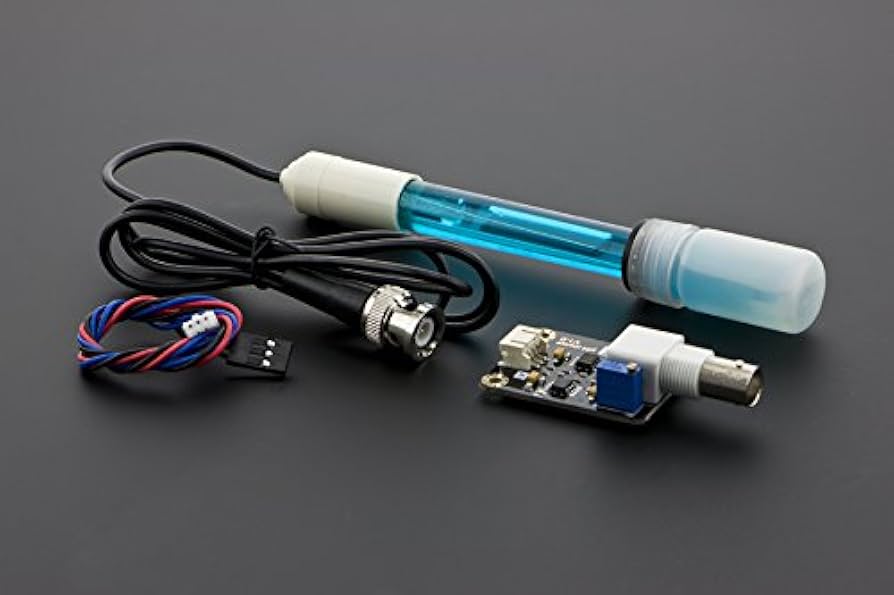
Industrial processes often involve complex chemical reactions, high temperatures, and exposure to corrosive substances. Accurate pH monitoring is essential to maintain product quality, ensure safety, and optimize efficiency. Selecting the right pH sensor for these demanding environments requires careful consideration of factors such as durability, response time, and compatibility with specific process conditions.
Factors to Consider When Selecting Industrial pH Sensors
Different industrial applications have unique requirements, making sensor selection a critical step. Professionals often evaluate the chemical composition of the process fluid, operating temperature, pressure, and potential contamination. Many industries rely on pH sensors that combine robustness with precision, allowing continuous monitoring in challenging environments such as chemical manufacturing, water treatment, and food processing.
Glass Electrode vs. Solid-State Sensors
Glass electrode sensors are widely used for their accuracy and broad measurement range. They function through a pH-sensitive glass membrane that interacts with hydrogen ions in the solution. These sensors are ideal for laboratory environments and controlled industrial processes where fragility and careful handling are manageable. However, in harsh industrial settings with high pressure or abrasive fluids, solid-state sensors may be preferred due to their mechanical durability and resistance to breakage.
Combination pH Sensors for Convenience and Reliability
Combination sensors integrate both the measuring electrode and the reference electrode into a single unit. This design simplifies installation and maintenance, reducing the risk of measurement errors caused by misaligned or contaminated electrodes. They are particularly useful in automated systems and continuous monitoring setups where reliability and ease of use are priorities.
ISFET Sensors for Modern Industrial Needs
Ion-Sensitive Field-Effect Transistor (ISFET) sensors offer advantages in environments where traditional glass electrodes may not perform well. They provide fast response times, mechanical strength, and resistance to vibration or impact. ISFET sensors are increasingly used in applications such as food processing, pharmaceuticals, and portable industrial monitoring, where reliability and speed are crucial.
Optical and Non-Electrochemical Sensors
Optical pH sensors measure pH based on color changes in pH-sensitive dyes rather than electrical potential. These sensors are useful in processes where electrical interference is a concern or where long-term stability without frequent calibration is desired. They are applied in biotechnology, water quality analysis, and laboratory research, complementing traditional electrochemical methods in specialized scenarios.
Temperature Compensation and Calibration
Temperature affects pH readings significantly. Many industrial pH sensors include automatic temperature compensation to ensure accurate measurements across varying thermal conditions. Regular calibration using standard buffer solutions is also essential to maintain precision, especially in high-demand industrial environments where small deviations can impact product quality or process safety.
Installation Considerations
Proper installation of pH sensors enhances their performance and longevity. Factors such as flow rate, sensor orientation, and immersion depth should be considered. Sensors installed in high-pressure lines or tanks may require protective fittings, while those used in batch processes need easy access for calibration and maintenance. Understanding the process environment helps determine the appropriate sensor housing, mounting method, and connection type.
Maintenance and Longevity
Industrial pH sensors require routine maintenance to ensure accurate performance. Cleaning, recalibration, and checking the reference electrode are necessary steps to prevent drift and contamination. Sensors designed for industrial use often feature durable materials and replaceable components, extending service life and reducing downtime.
Conclusion
Choosing the right pH sensor for industrial applications involves balancing accuracy, durability, and process compatibility. By evaluating factors such as sensor type, environment, temperature, and maintenance requirements, organizations can select sensors that optimize efficiency, ensure safety, and maintain product quality. Understanding these considerations allows industries to implement reliable pH monitoring solutions that support consistent operations and long-term process control.
