

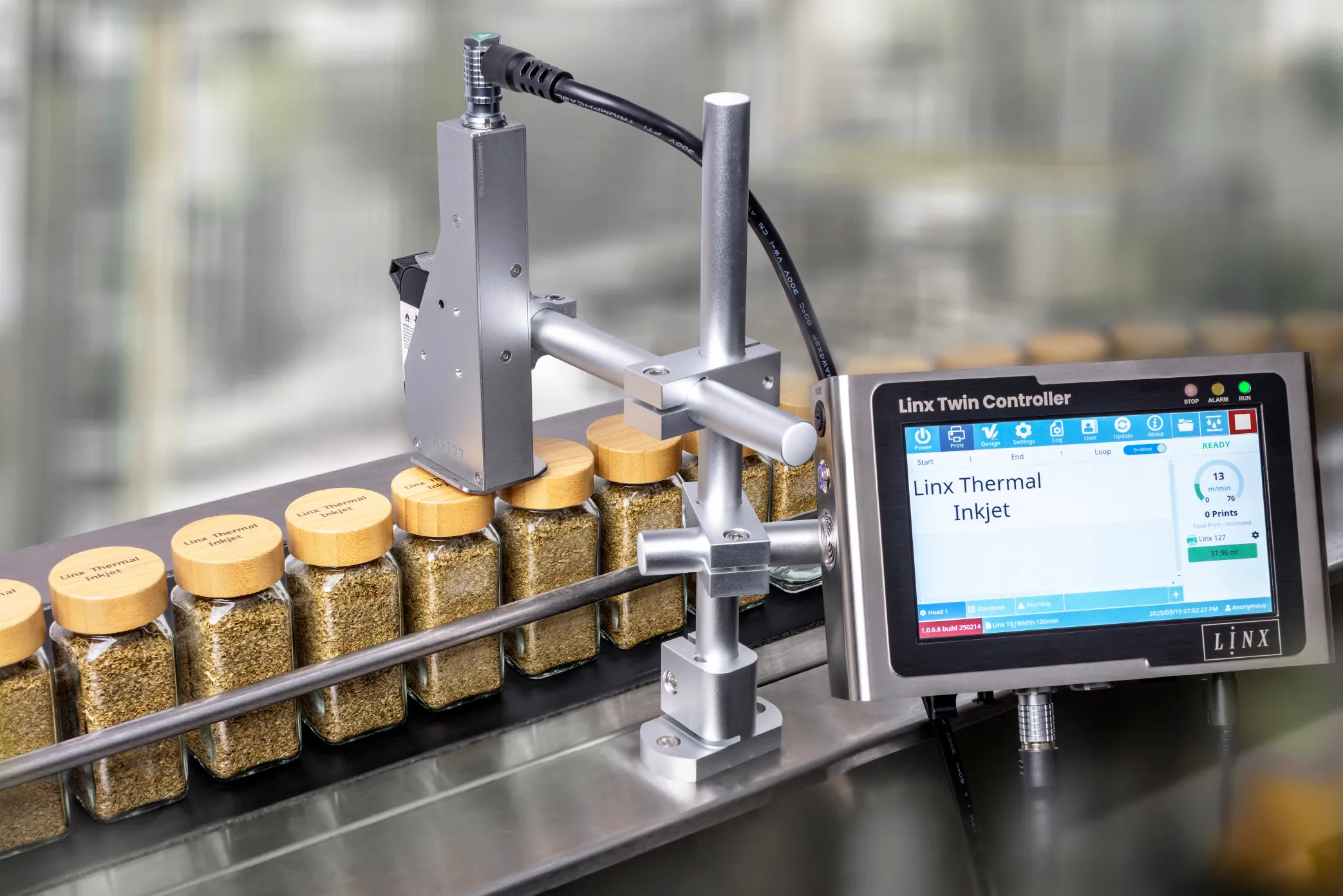
Selecting the appropriate printing solution is crucial for modern manufacturing and packaging operations. Efficiency, accuracy, and regulatory compliance all depend on reliable marking technology. Continuous Inkjet Printers have emerged as a preferred choice for businesses seeking a high-speed, versatile, and non-contact marking system capable of handling diverse surfaces. Understanding the key considerations when choosing a printer ensures your production line operates smoothly and cost-effectively.
Before diving into models and specifications, it is important to evaluate the specific needs of your operation. Factors such as production speed, substrate types, environmental conditions, and message variability all influence the choice of a printer. Businesses that invest in a dependable Continuous Inkjet Printer gain a solution that integrates seamlessly into their workflow, minimizes downtime, and maintains consistent print quality. Partnering with a reputable supplier also ensures access to technical support and high-quality consumables, which are vital for long-term performance.
Understanding Production Requirements
A clear understanding of your production environment is the first step in selecting the right printer. High-speed assembly lines require a printer that can maintain accurate printing without slowing operations. Consider the surfaces that require marking, including metals, plastics, glass, and cartons, as different printers handle substrates differently. Additionally, assess how often you need to change the printed information, such as batch codes, expiration dates, or product identifiers. Flexibility in updating these details quickly can significantly improve efficiency.
Environmental factors also play a role in printer performance. Printers exposed to dust, high humidity, or temperature fluctuations may require specialized features to maintain reliability. Choosing a system designed for your facility’s conditions ensures consistent operation and reduces maintenance needs.
Key Features to Look For
When comparing Continuous Inkjet Printers, several features stand out as essential for long-term success:
- Print Quality and Resolution: Clear and legible markings are critical for compliance and traceability.
- Ease of Integration: Printers should integrate smoothly with existing production lines and software systems.
- Maintenance Requirements: Automated cleaning and simple filter replacements help reduce downtime.
- Ink Versatility: Support for multiple ink types allows printing on various materials without additional adjustments.
Industry Applications
Continuous Inkjet Printers are widely used in industries such as food and beverage, pharmaceuticals, cosmetics, and electronics. In the food sector, printers ensure that expiration dates and batch numbers are clearly visible on packaging, supporting both compliance and consumer safety. Pharmaceutical manufacturers rely on accurate marking for traceability and counterfeit prevention. Electronics and automotive components often require precise printing of serial numbers and other identifiers without slowing production lines.
Advantages of Investing in the Right Printer
Implementing a high-quality Continuous Inkjet Printer offers numerous benefits:
- Enhanced Efficiency: Fast and continuous printing reduces bottlenecks.
- Flexibility: Ability to print variable information without halting production.
- Consistency: Automated systems ensure uniformity across all products.
- Cost Savings: Reduced errors, decreased waste, and lower labor requirements offset initial investment.
Implementation and Best Practices
To maximize the advantages of a Continuous Inkjet Printer, follow these best practices:
- Staff Training: Operators should understand both operation and basic maintenance to avoid downtime.
- Scheduled Maintenance: Regular cleaning, filter checks, and ink level monitoring keep printers functioning optimally.
- Software Integration: Linking the printer with production line management systems simplifies variable data printing.
- Continuous Evaluation: Regularly monitor print quality and line performance to adjust settings as needed.
Conclusion
Choosing the right Continuous Inkjet Printer is a strategic decision that directly affects production efficiency, product quality, and regulatory compliance. By carefully evaluating production requirements, selecting a printer with the appropriate features, and implementing best practices, businesses can achieve reliable, high-speed marking across a variety of surfaces. A well-chosen CIJ printer not only enhances productivity but also ensures that your products meet market and regulatory standards consistently.
