

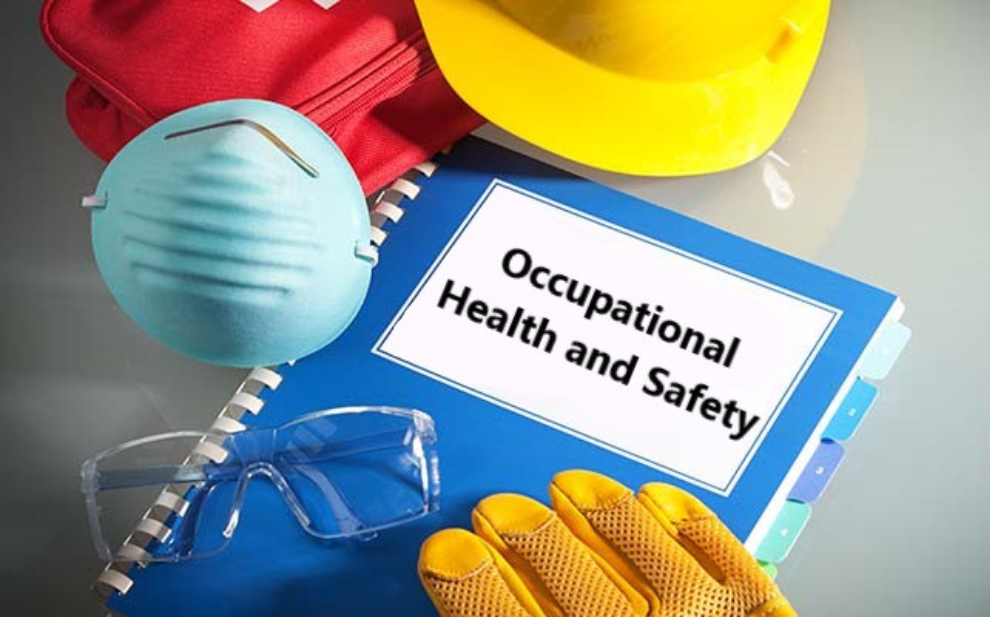
A strong workplace safety framework helps organizations prevent injuries, reduce downtime, and protect their workforce while maintaining consistent operations. Today’s occupational safety strategies combine structured policies, real-time reporting, and continuous improvement to transform risk management into a daily practice. By integrating safety into every process, companies can respond faster to hazards, build employee trust, and achieve long-term operational stability.
At the foundation of employee protection, OHS (Occupational Health and Safety) provides a comprehensive approach for managing workplace risks, maintaining regulatory compliance, and embedding health and safety responsibilities directly into everyday business activities.
Understanding Occupational Health and Safety in Modern Workplaces
Occupational Health and Safety focuses on safeguarding workers from physical harm, occupational illness, and unsafe conditions while supporting efficient business operations. It addresses a wide range of factors, including hazard identification, ergonomics, emergency preparedness, and employee well-being.
Historically, many organizations relied on paper forms and reactive reporting. Today, OHS has evolved into a proactive discipline supported by digital systems and data-driven insights. Companies now track safety indicators in real time, analyze trends, and implement preventive measures before incidents occur.
This shift allows organizations to move beyond basic compliance and create environments where safety is part of the company culture rather than an afterthought.
Why OHS Is Now a Strategic Business Function
Occupational safety is no longer confined to compliance teams. It plays a direct role in productivity, resilience, and organizational reputation.
Increased Regulatory Accountability
Safety regulations continue to expand across industries. Businesses must maintain accurate documentation, demonstrate ongoing compliance, and respond quickly to audits. A structured OHS framework simplifies these requirements and reduces the risk of penalties.
Stronger Workforce Engagement
Employees perform better when they feel protected. Clear safety procedures and transparent reporting processes improve morale, reduce absenteeism, and strengthen retention.
Lower Operational Risk
Workplace incidents can lead to equipment damage, legal exposure, and production delays. Proactive OHS practices help identify hazards early, minimizing disruptions and unexpected costs.
Positive Brand Perception
Clients, partners, and investors increasingly favor organizations that prioritize worker safety. A strong OHS record signals reliability and responsibility.
Essential Components of an Effective OHS Program
A successful Occupational Health and Safety strategy is built on interconnected processes that work together.
Hazard Identification and Risk Evaluation
Every workplace presents risks. Regular assessments allow teams to recognize hazards, evaluate their impact, and prioritize control measures based on real conditions.
Incident Reporting and Corrective Actions
Near misses, injuries, and unsafe behaviors should be reported immediately. Structured investigations uncover root causes and guide corrective actions to prevent recurrence.
Compliance and Recordkeeping
Training certificates, safety permits, and inspection records must be organized and accessible. Centralized documentation ensures readiness for audits and regulatory reviews.
Training and Safety Awareness
Continuous education keeps employees informed about procedures and responsibilities. Digital training platforms help assign courses, track completion, and reinforce safe practices.
Performance Monitoring
Dashboards and analytics provide visibility into incident trends, outstanding actions, and compliance levels, enabling leadership to make informed decisions.
How Technology Is Reshaping Occupational Safety
Manual safety processes often rely on spreadsheets, emails, and disconnected paperwork. These methods slow response times and limit visibility.
Modern digital platforms bring all safety activities into a single environment. Field teams can report hazards from mobile devices. Managers review real-time dashboards. Corrective actions are assigned instantly and tracked until completion.
This connectivity improves accountability and accelerates resolution. Historical data also becomes a valuable resource, helping organizations identify patterns and prevent future incidents.
By adopting digital workflows, companies transition from reactive safety management to predictive risk prevention.
Industries Experiencing the Greatest OHS Impact
While Occupational Health and Safety is essential across all sectors, some industries benefit especially from structured OHS programs.
Manufacturing
Factories use OHS systems to reduce injuries, manage machinery risks, and maintain compliance with safety standards. Early intervention prevents shutdowns and production losses.
Construction and Infrastructure
Project teams coordinate site safety, contractor compliance, and hazard reporting across multiple locations, improving oversight and reducing accidents.
Energy and Utilities
High-risk operations demand strict safety controls. OHS platforms support field crews by documenting conditions, tracking compliance, and protecting critical assets.
Facilities and Property Operations
Routine safety checks, maintenance coordination, and environmental monitoring become easier to manage through centralized safety workflows.
Real Business Benefits of Investing in OHS
Organizations that implement structured Occupational Health and Safety programs often achieve measurable improvements within a short time.
- Reduced incident rates through proactive hazard management
- Faster resolution of safety issues with automated workflows
- Improved audit readiness with centralized records
- Higher employee confidence due to safer work environments
- Lower operational costs by preventing recurring incidents
These outcomes contribute directly to productivity, stability, and long-term profitability.
Best Practices for Sustainable OHS Implementation
Effective OHS programs depend on leadership commitment and employee involvement.
Start by defining clear safety objectives aligned with organizational goals. Engage frontline workers in identifying hazards and refining procedures. Provide regular training and encourage open communication around safety concerns.
Designate internal champions to guide adoption and maintain momentum. Review performance metrics consistently and refine strategies based on real operational data.
Most importantly, view OHS as a continuous improvement journey rather than a one-time compliance initiative.
Turning Inspections into Measurable Safety Improvements
Inspections are a critical source of workplace safety data. When inspection findings are integrated directly into OHS workflows, organizations can automatically trigger corrective actions, update dashboards, and monitor progress.
Within this connected framework, an Inspection management system plays a central role by linking on-site observations with organization-wide safety objectives, ensuring that every issue leads to meaningful action instead of being lost in disconnected reports.
Final Thoughts
Occupational Health and Safety is about more than meeting regulatory requirements—it is about protecting people, strengthening operations, and supporting sustainable growth. By combining structured processes with digital capabilities, organizations gain real-time visibility, stronger accountability, and a proactive approach to risk management.
As workplaces continue to evolve, businesses that invest in modern OHS practices position themselves for long-term success. When safety becomes part of everyday operations, it transforms into a powerful driver of trust, efficiency, and organizational excellence.
