

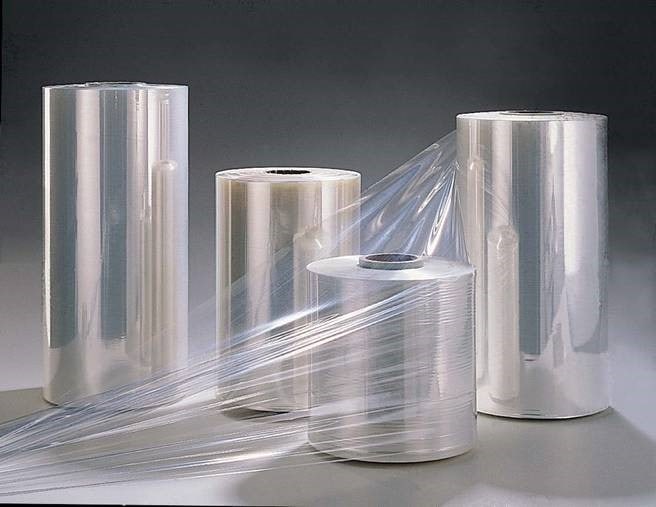
In the competitive world of manufacturing, retail, and logistics, effective packaging is crucial to product safety, brand presentation, and operational efficiency. One of the most versatile packaging solutions used across industries today is shrink film. Its ability to tightly wrap products of various shapes and sizes while providing durability, clarity, and cost-effectiveness has made it a go-to choice for businesses worldwide.
Understanding Shrink Film and Its Applications
Shrink film is a polymer plastic film that shrinks tightly over whatever it is covering when heat is applied. Its adaptability and protective qualities make it an essential material in packaging, helping businesses safeguard their products during storage, transportation, and display.
For businesses seeking reliable packaging solutions, shrink film offers numerous advantages. From securing multi-pack items to enhancing the presentation of individual products, shrink film ensures that items arrive intact and visually appealing to consumers.
Key Advantages of Using Shrink Film
Shrink film offers a wide range of benefits that make it suitable for diverse industries, including food and beverage, pharmaceuticals, electronics, and consumer goods:
1. Product Protection
Shrink film provides a protective layer against dust, moisture, dirt, and minor abrasions. By tightly enveloping the product, it minimizes the risk of damage during storage and transit, ensuring that items reach the customer in pristine condition.
2. Improved Shelf Appeal
Clear shrink film enhances the visibility of the product while maintaining its shape and presentation. Retailers benefit from the attractive display, which can increase consumer engagement and drive sales.
3. Cost-Effective Packaging
Shrink film is lightweight and requires minimal material compared to other packaging solutions. Its efficiency helps reduce shipping costs and material waste, making it an economical choice for businesses of all sizes.
4. Versatility
Shrink film can be applied to products of various shapes and sizes, including irregularly shaped items that are difficult to package with traditional methods. Its adaptability makes it suitable for single units, multi-packs, and promotional bundles.
5. Tamper Evidence and Security
Shrink film adds a layer of tamper resistance to products. Any interference is immediately visible, giving consumers confidence in product integrity and discouraging unauthorized access.
Types of Shrink Film
Understanding the types of shrink film available helps businesses select the right material for their specific packaging needs:
1. Polyolefin (POF) Shrink Film
POF shrink film is known for its clarity, strength, and flexibility. It is ideal for food packaging, retail displays, and consumer goods. Its environmentally friendly properties, including recyclability, make it a preferred choice for companies aiming to reduce their carbon footprint.
2. Polyvinyl Chloride (PVC) Shrink Film
PVC shrink film is strong and cost-effective, commonly used for wrapping beverages, CDs, DVDs, and various retail products. While it provides good clarity, it is less environmentally friendly compared to POF.
3. Polyethylene (PE) Shrink Film
PE shrink film is widely used for pallet wrapping and industrial applications. It is durable, flexible, and resistant to punctures, making it suitable for heavy-duty packaging and bulk shipments.
Factors to Consider When Choosing Shrink Film
Selecting the right shrink film involves evaluating several factors to ensure optimal performance and cost-effectiveness:
1. Product Type and Size
The size, shape, and fragility of the product influence the choice of shrink film. Irregularly shaped items may require flexible and highly stretchable films, while heavier items need stronger, puncture-resistant materials.
2. Clarity and Presentation
For retail applications, clear shrink film is often preferred to showcase the product effectively. Packaging that allows consumers to see the product can enhance shelf appeal and influence purchasing decisions.
3. Environmental Considerations
Sustainable options such as POF shrink film are increasingly popular due to their recyclability and lower environmental impact. Businesses prioritizing sustainability should consider eco-friendly alternatives to traditional PVC.
4. Shrink Temperature and Application Method
Different shrink films require specific temperatures and methods for application, such as heat guns, tunnels, or automated machines. Ensuring compatibility with existing packaging equipment is essential for efficiency.
5. Cost and Availability
While shrink film is generally cost-effective, prices can vary depending on material type, thickness, and supplier. Choosing a reliable supplier ensures consistent quality and timely delivery, avoiding production delays.
Industries That Benefit from Shrink Film
Shrink film finds applications across various sectors due to its protective and aesthetic qualities:
1. Food and Beverage
Shrink film is widely used to package fresh produce, bottled beverages, baked goods, and frozen items. Its tight seal preserves freshness, prevents contamination, and extends shelf life.
2. Consumer Goods and Retail
From toys to electronics and cosmetics, shrink film enhances product presentation while keeping items secure during transit. It also enables multi-pack bundling for promotions and marketing campaigns.
3. Pharmaceuticals and Healthcare
Shrink film ensures tamper-evident packaging for medications and medical devices, providing safety, hygiene, and compliance with regulatory standards.
4. Industrial and Logistics Applications
Heavy-duty PE shrink film is used to wrap pallets, machinery, and bulk products, preventing damage and simplifying transportation and storage.
Trends in Shrink Film Usage
As technology and consumer preferences evolve, shrink film packaging continues to adapt:
- Eco-Friendly Films – Increased focus on recyclable and biodegradable materials is driving innovation in sustainable shrink films.
- Custom Printing – Branding and promotional messaging directly on shrink film enhances marketing opportunities.
- Automation Compatibility – Modern shrink films are designed for high-speed, automated packaging systems, improving efficiency and reducing labor costs.
- Enhanced Durability – Advances in film technology provide stronger, more puncture-resistant materials for demanding applications.
Conclusion
Shrink film has emerged as a versatile and essential component of modern packaging solutions. Its ability to protect products, enhance visual appeal, and optimize operational efficiency makes it invaluable across industries. By choosing the right type of shrink film and a reliable supplier, businesses can ensure that their products are delivered safely, presented attractively, and aligned with sustainability goals.
For companies looking to improve their packaging process, investing in high-quality shrink film is not just a practical decision — it’s a strategic move that enhances brand perception, reduces costs, and ensures customer satisfaction in today’s competitive market.
